SEC Approves Revised Bitcoin ETF Framework for Retail Investors
The U.S. Securities and Exchange Commission has approved a revised framework that standardises how Bitcoin exchange-traded funds are structured, disclosed, and custodied. The changes are intended to make it easier for additional issuers to bring spot Bitcoin ETF products to retail investors while keeping consistent investor-protection rules. Analysts note that clearer rules tend to encourage participation from institutions that previously stayed on the sidelines. For Indian readers, the development is relevant as a signal of how major markets are formalising crypto investment products. These ETFs remain unavailable on Indian exchanges, and Indian investors continue to be subject to domestic VDA tax rules. Other regulators are expected to review the framework as they shape their own approaches.
Key Takeaways
- The SEC standardised disclosure and custody rules for Bitcoin ETFs.
- Clearer rules may increase institutional participation.
- Such ETFs are not yet offered on Indian exchanges.
Summary generated by IndiCrypto from CoinDesk. IndiCrypto is a news aggregator and does not provide investment advice. Read the original article for full context.
More in Regulation

Binance Pulls Kevin O’Leary, Michael Lewis Into $1.76B FTX Clawback Lawsuit
Binance and founder Changpeng Zhao subpoenaed Kevin O’Leary and Michael Lewis as they defended a $1.76 billion FTX clawback lawsuit. The requests reached an investor paid to promote the exchange and an author who documented the rise and fall of its…

Greece Approves 10% Crypto Gains Tax, 15% Levy on Staking and DeFi Income
Greece’s parliament has approved a sweeping cryptocurrency tax framework that imposes a 10% tax on capital gains and a separate 15% tax on income from staking, lending, and decentralized finance (DeFi), marking the country’s first comprehensive approach to…
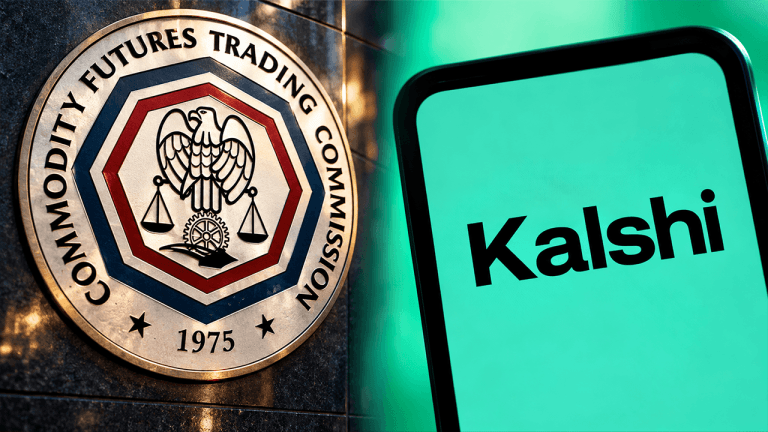
CFTC Tells Prediction Markets to Drop State Geoblocks Within 30 Days
The Commodity Futures Trading Commission says federally regulated prediction markets generally cannot block traders based on which U.S. state they are in, and has given exchanges 30 days to lift such restrictions or explain why they can’t. The guidance came a…